Saturday, 10 July 2010

Exploring Shoream Beach Local Nature Reserve

Another course, this time as part of the adult education programme for the Sussex Wildlife Trust. To provide an overview of the geneal area, coastal geography, how Shoreham Beach was formed and the maritime history - we started at the Rope tackle Centre on the banks of the River Adur.
This provided the opportunity to introduce the participants to the various topics, including archives images. Part the way through, I handed out some pebbles from Shoreham Beach (similar to the previous school session - see yesterdays blog) for the participants to comment on the pebbles, what they were etc.

The second part of the course was a walk from the Rope Tackle Centre, across the Norfolk bridge, down by the estuary and across to the beach via the house boats. On the way I pointed out the coastal geography and maritime history we had seen in the earlier part of the session. This included the history of the Norfolk bridge(s), the estuary, the houseboats etc. On the estuary we saw various birds including several lapwings, a couple of egrets, and a red shank
Just before we reached the beach we stopped to look at the shingle garden by the Beach Green toilet block.

We then explored the vegetated shingle habitat looking at the plants and wildlife. I provided the participants with ID guides so we could move along as an informal ramble giving the chance for the participants to explore and identify some of the plants.

We eventually walked back down the beach and crossed the river Adur at the footbridge before returning to the Rope tackle for a brief roundup. Several of the participants said they would certainly come back and explore Shoreham and Shoreham Beach later in the year.

Friday, 9 July 2010

Exploring Shoreham Beach Local Nature Reserve

I worked with a group of students on Shoreham Beach Local Nature Reserve, one of my Pupil Enrichment Programme session, for West Sussex County Council. The course started in a local school near the nature reserve allowing some classroom preparation.
We started by looking at how varied the Sussex Coastline is in regard to habitat types which include pebble beaches, sandy beaches, sand dunes, chalk cliff and wave cut platform and various coastal developments.

We looked at how the sea can create beaches (such as shingle spits like Shoreham) or erode coastline such as chalk cliffs. The pupils were provided two different scenarios to complete and predict what happens next, a shingle coast and a chalk cliff coast. After this we discussed how Shoreham Beach was formed by longshore drift and the flow of the River Adur.
We looked at how Shoreham Beach has played a major part in local maritime history – such as the port and ship building.
The students were given a selection of pebbles from the beach to identify and comment on their origins.
These included a large flint pebble, piece of flint from the South Downs, chalk, sea coal, a brown flint, a long shaped flint and quartzite.

Much of the day was spent investigating the local nature reserve. The students were divided into two groups and took turns in various activities.

This included a beach transect survey from the top of the beach to the shingle crest identifying and recording the numbers of each species present.
Group 1
Group 2
This helps to build up a profile of the plant communities.

Another activity involved students looking for adaptation features that different shingle plants use to survive in this harsh habitat, from a list provided.
Once they had found a plant with the adaptation, they then used identification guides to identify the actual plant.

Two separate animal surveys took place, one to record generally the birds, lizards and invertebrates that visit the shingle plant habitat.
House sparrows
Wall lizard

The second focusing on recording three types of bee, to also discover which plant species they favour.
Two banded white-tailed bumble bee on silver ragwort.

We finished the day back at the school with a recap of what we had done, what they had discovered and a general round up and a chance for final questions.

Thursday, 8 July 2010

Common Seal off Lancing

A common seal was observed for 20 minutes at 10am off Lancing beach, West Sussex, today.

Tuesday, 22 June 2010

Common seal off Brighton

A common seal was spotted today off Brighton at 7.15 pm today by Malin who was running along the undercliff walk between Rottingdean and Brighton Marina. Malin  and I spotted a seal in the sea. The seal was swimming towards the shore but then it dived down in the direction of Rottingdean. It was not seen again, however seals can dive for 15- 20 minutes easily so it is easy to loose track of them once they dive.

Thursday, 17 June 2010

Bottlenose Dolphin

A solitary bottlenose dolphin was reported by fisherman off Selsey Bill, West Sussex.

Saturday, 5 June 2010

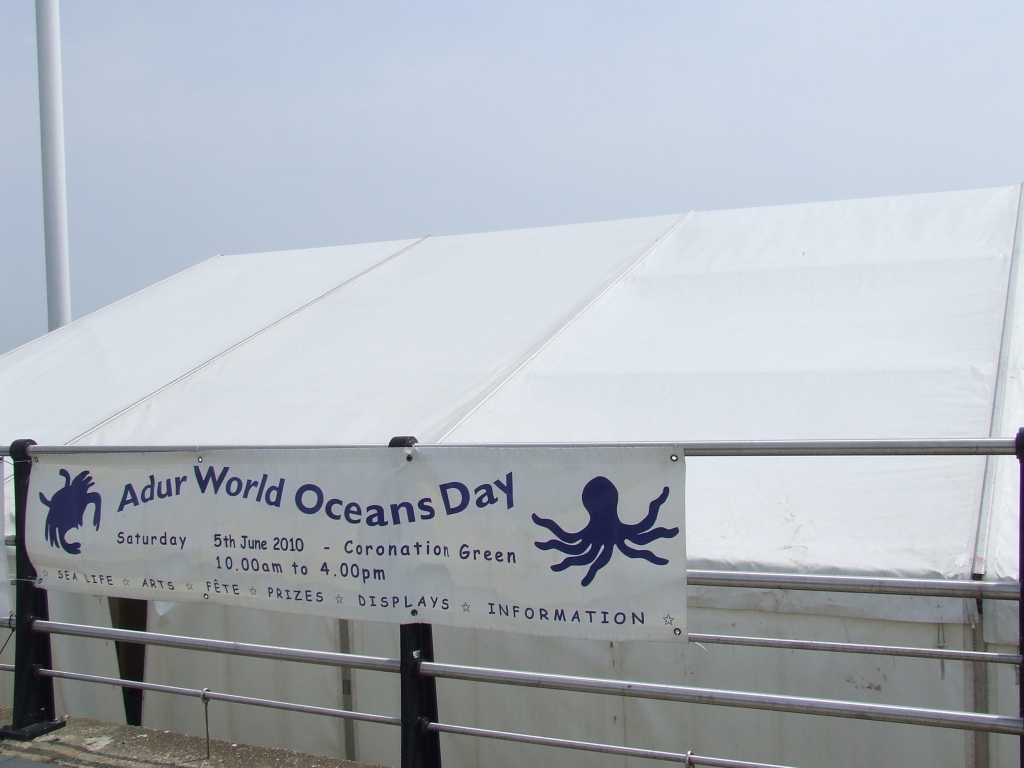
Adur World Oceans Day.

Its June and time for the annual World Oceans Day Event. The same great location as always on Coronation Green at the end of the high street and adjacent to the river Adur in Shoreham-by Sea.
As usual a great mix of stands from local groups and organisations. Shoreham Beach Local nature Reserve was represented by the Friends of Shoreham Beach with a fascinating and informative display stand about the rare vegetated shingle habitat and associated wildlife.
The stand display also included marine litter and a children's colouring activity.

The local rangers brought along their fascinating tactile display about the seashore strandline and long term experts on vegetated shingle David Wood and his wife had a display about this habitat and also the local saline lagoon "Wide Water". The local Shoreham Angling Squad. who voluntarily clear up the western arm of the harbour. also had a display. 
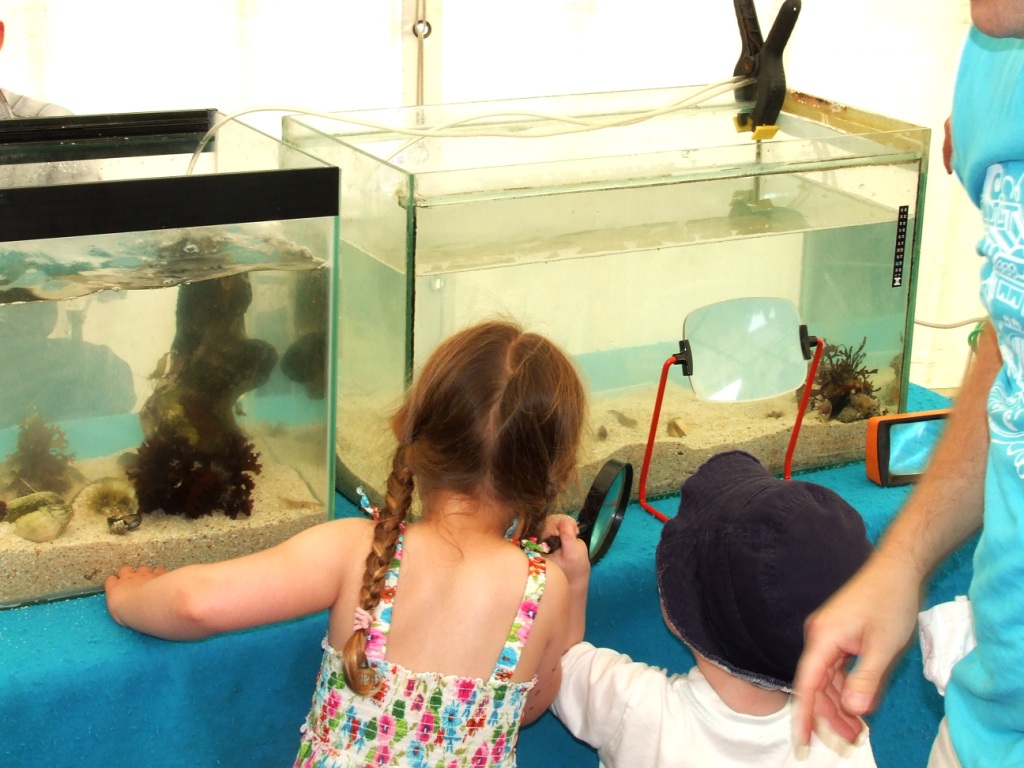
Andy Horton from British Marine Study Society (and co-organiser of the event) had the usual aquarium displays and a pool with lobsters and edible crabs.

As usual I took along my display based around the life sized inflatable bottlenose dolphin (species seen locally) which included biological information and pictures and facts about local sea mammal sightings.

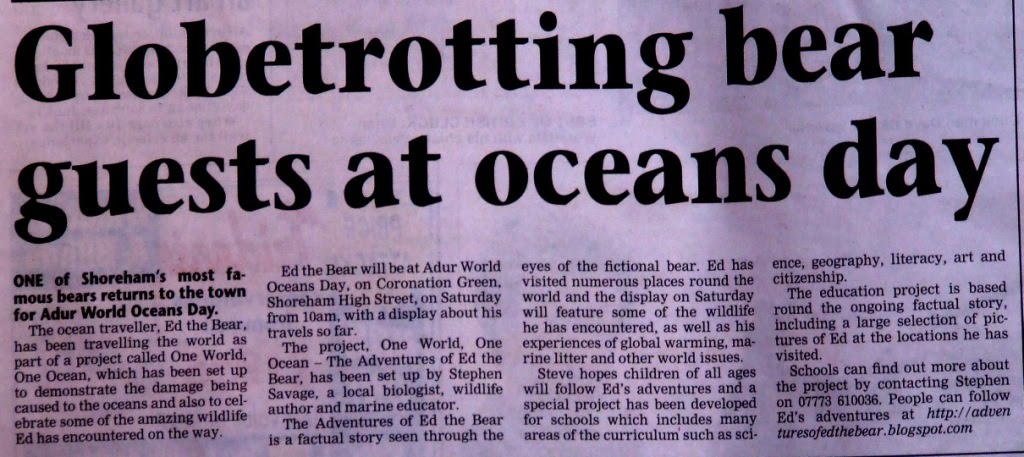
This year I also took along a new display, One World One Ocean - The Adventures of Ed the Bear. This is a project that highlights threats to the ocean and also celebrates the diversity of wildlife globally and also locally.
This is done through the global adventures of the globe trotting Ed (a teddy bear) who reports back his experiences via a weblog. Ed also visits UK schools and events.

You can find out more about this project on http://adventuresofedthebear.blogspot.com/

The display included objects from Ed's travels and his journal. 

The display also include a demonstration about acid oceans using clear vinegar and a seashell.

I took the opportunity to make Ed's appearance at World Oceans Day part of his ongoing story and so I photographed his with many of the exhibits, a couple of examples below.

As usual the event was very popular and attracted a lot of interest. 

Monday, 31 May 2010

Common Seal in Ouse

I have received a couple of reports of a common seal again spending time in the River Ouse. No pics this time. The seal was spotted at Piddinghow, between Newhaven and Lewes. Mullet are quite common in the lower reaches of the river at the moment which may well be the attraction for this seal. This is proably the same seal that has been recorded in the Ouse on previous occasions.